

It’s fair to say that bricks-and-mortar retail has rediscovered its mojo in recent years. After looking over their shoulder, worrying how they could keep up with digital commerce for such a long time, store owners have come to understand that shoppers value physical retail on its own terms. And that has freed them up to focus on its core strengths.
Still, retailers cannot afford to take for granted that customers get something from the in-store experience that can’t be replicated online. Wherever or however they shop, modern consumers have expectations about speed and convenience shaped by e-commerce. They want the best of both worlds when they walk into a store. They want to enjoy their day out, see, handle and compare products, and take their purchases home with them for instant gratification. But they also want instant information at their fingertips, personalised recommendations, fast checkout and joined-up services.
That means the in-store experience has to keep evolving in line with people’s expectations. And while it’s the in-person dynamic that makes physical retail unique, technology is key to keeping it fresh and satisfying.
Here are five ways technology can make a difference.
One of the simplest ways technology improves the store experience is by making products easier to find. Like we said, people expect speed and convenience even when they are browsing, handling and comparing items on physical shelves these days. Around four in five shoppers say they research items online and then head to a store to check them out in person. Not being able to find what they’re looking for is frustrating.
This is easily remedied by using digital signage for wayfinding, or having product locator tools on self-service kiosks. This puts the power in the customer’s hands to look up what they need as and when they need it, without having to look for an assistant.
The flipside of making searching for specific items as easy as possible in stores is enhancing the discovery experience, too. People still enjoy heading to the shops with little or no idea what they might want to buy, hoping to find inspiration. There’s a lot to be said for the serendipity of browsing shelves and having your fancy taken by something that just leaps out at you. But that doesn’t mean retailers can’t use technology to help the process along, either.
Again, it’s all about meeting the expectations of modern shoppers. People are less likely to just buy a product on a whim these days. Even when something catches their eye, they are used to being able to look up information about it online, check specifications and reviews, compare prices etc. More than a quarter of people say physical stores are still their favourite place to learn about new products.
Interactive kiosks help customers do just that. They can also extend the range beyond what can be fit on the physical shelf. So say a customer picks up an item but isn’t quite sure about the colour or size. A kiosk lets them look up other options that aren’t on the shop floor, potentially avoiding a lost sale.
No retailer needs telling that long queues at checkout remain one of the biggest friction points in stores. The very best shopping experience can be completely undone by a frustrating wait to pay for items. In the worst case scenarios, disgruntled customers abandon sales and decide not to bother visiting again.
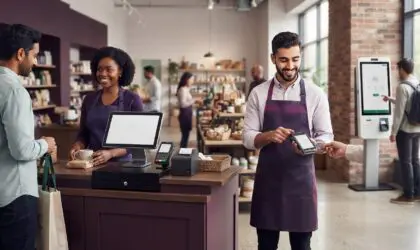
Technology cannot remove every delay. But the way POS technology has diversified at least creates different options for processing transactions that can help to keep queues to a minimum. Self-checkout, mobile POS and scan-and-go options all help reduce pressure on fixed tills. They are particularly useful in stores where customer journeys vary. One shopper may want a quick grab-and-go transaction. Another may need advice, product information or help placing a more complex order.
Having more checkout options means you can cater to different needs while ensuring that service for one customer doesn’t cause a hold up for another.
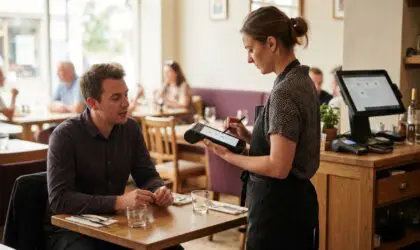
One of the biggest differences technology can make to the in-store customer experience is empowering staff to provide better levels of service. Mobile POS devices and stock systems mean colleagues have critical information at their fingertips at all times, helping them answer customer queries, check availability, provide advice and even process orders and take payments on the shop floor.
Technology should support human service, not replace it. But used in the right way, it can certainly help retail workers give more informed, more efficient service.
Finally, technology is not just about delivering outputs. One of the biggest game-changers in physical retail is the way that connected POS systems, store cameras, on-shelf sensors and more have all combined to give retailers unprecedented amounts of data about what happens in their stores. That data can be mined and analysed to tell you what is and isn’t working, what opportunities for improvement there are, and ultimately to raise the bar on the customer experience.
The key to all the above is making sure you put technology where it adds real value. Not every store needs every tool. But every retailer can leverage the data digital systems create in their store to look for the friction points in the customer experience, and then consider how technology can make a positive difference.