
There was a time when a visit to a fuel forecourt was pretty one-dimensional. It was all about filling up your vehicle with petrol and diesel, with a shop perhaps selling a few snacks, newspapers and magazines, and an assortment of motoring accessories at most.
How times have changed. Forecourts have already been transformed into mainstays of convenience retail. We’re now seeing various other services being thrown into the mix. And as motoring habits change – including the fuel types of the vehicles we’re driving – all the indications are that the once humble petrol station will continue to develop as a one-stop retail hub.
Forecourt trends in numbers
Fuel forecourts now account for 18.3% of the total UK convenience sector, with non-fuel sales approaching £6bn in value annually. A really telling statistic is that half of all forecourt visits now involve food and drink purchases, while only 25% are for fuel only.
The increasingly lucrative nature of the market has inevitably increased competition, with major supermarket chains like Tesco, Sainsbury’s, Asda and Morrisons stepping beyond their own on-site forecourts to add growing numbers of standalone sites to their portfolios. This in turn is driving a shift in merchandising, with more forecourts offering broad ‘mini-supermarket’ style grocery selections rather than the traditional focus on snacks and drinks.
This isn’t the only or even the most significant shift, however. According to just under half (44%) of forecourt operators, the biggest trend they’re seeing is a rise in food-to-go sales. ‘Dashboard dining’ is encouraging more and more partnerships with hot food and drink vending machine operators, as well as concessions with QSR and bakery brands.
Some of the most interesting changes are happening beyond food and beverages. Nearly a third (29%) of forecourtsnow offer over-the-counter parcel services, in line with a wider trend across the convenience sector. That goes hand-in-hand with stations playing host to collection lockers from the likes of Amazon and InPost. And that’s not the only innovative way operators are finding to make use of their estates. ME Group now runs 400 self-service laundrette machines at UK forecourts.
The drive to diversify
The underlying story is that, particularly for independent operators, these changes represent necessary diversification. The rising cost of fuel has strengthened the dominance the major supermarkets have in fuel sales, as they are able to price fuel as a loss leader to undercut rivals. The wider forecourt industry has simply had to find new ways to make money. And that pressure will only increase as the motoring industry continues the most seismic shift in its history.
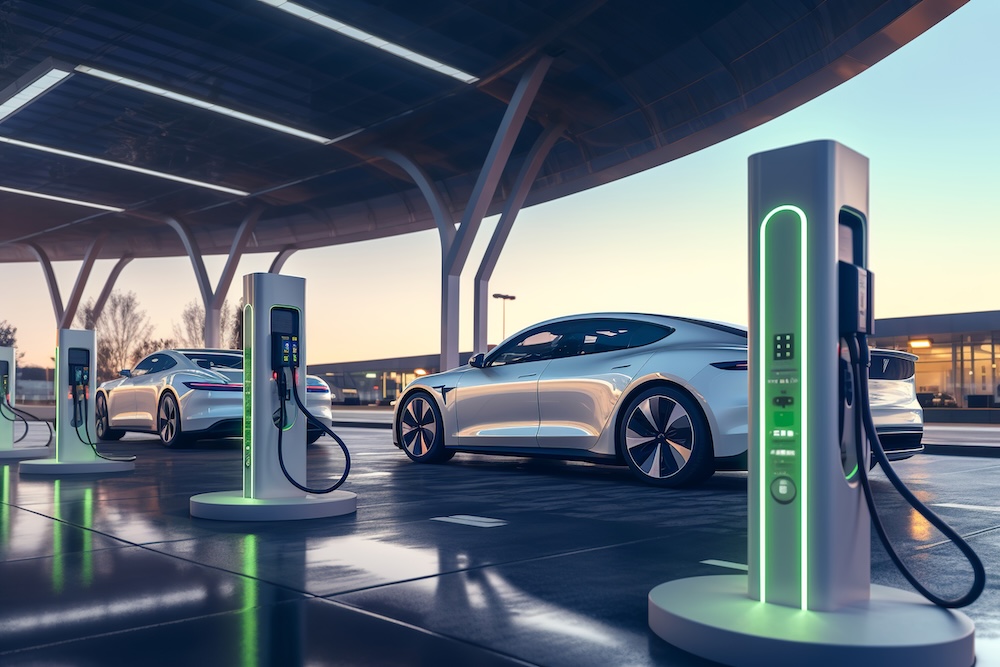
More and more EV cars are on our roads, with registrations of new electric vehicles reaching one million in the year to June 2025. The more people switch to EVs, the less demand there is for fuel. Within a decade or two, selling petrol and diesel will be only the smallest of niche markets. And while margins on commercial EV charging stations can actually be higher than fuel, the obvious problem is that people can charge their vehicles at home and not have to pay the retail markup.
This monumental shift presents two challenges to forecourt operators. One, they have to continue to find alternative income streams to make up for the eventual decline in fuel sales. Two, they have to give EV drivers a reason to charge at a forecourt. This is often inevitable on longer journeys. But the real difference maker will be making every visit a satisfying experience that encourages use of other paid-for services.
The opportunity lies in the fact that EV charging isn’t an on-the-fly encounter that is over in a few minutes. Rapid commercial chargers still take around 30 minutes to add 100 miles of range. That’s prime dwell time opportunity for operators. Alongside food-to-go, we can expect to see more forecourts transition to dine-in snack bars, further expand as grocery outlets and into non-food retail categories, increase the number of on-site services available, and perhaps even reach into entertainment.
VR video gaming while you wait for your car to charge, anyone?